ZeroHold’s strategic shift to an AI-first, no-loss model turns retail from a risky game of chance into a predictable business engine — so you can scale, sell, and sleep well at night.

Hours delivered back to the business
SOX compliance in Settlement process automation
Success rate of bot case completion
For functional release of OBT, RTS and OGS
The Chalange
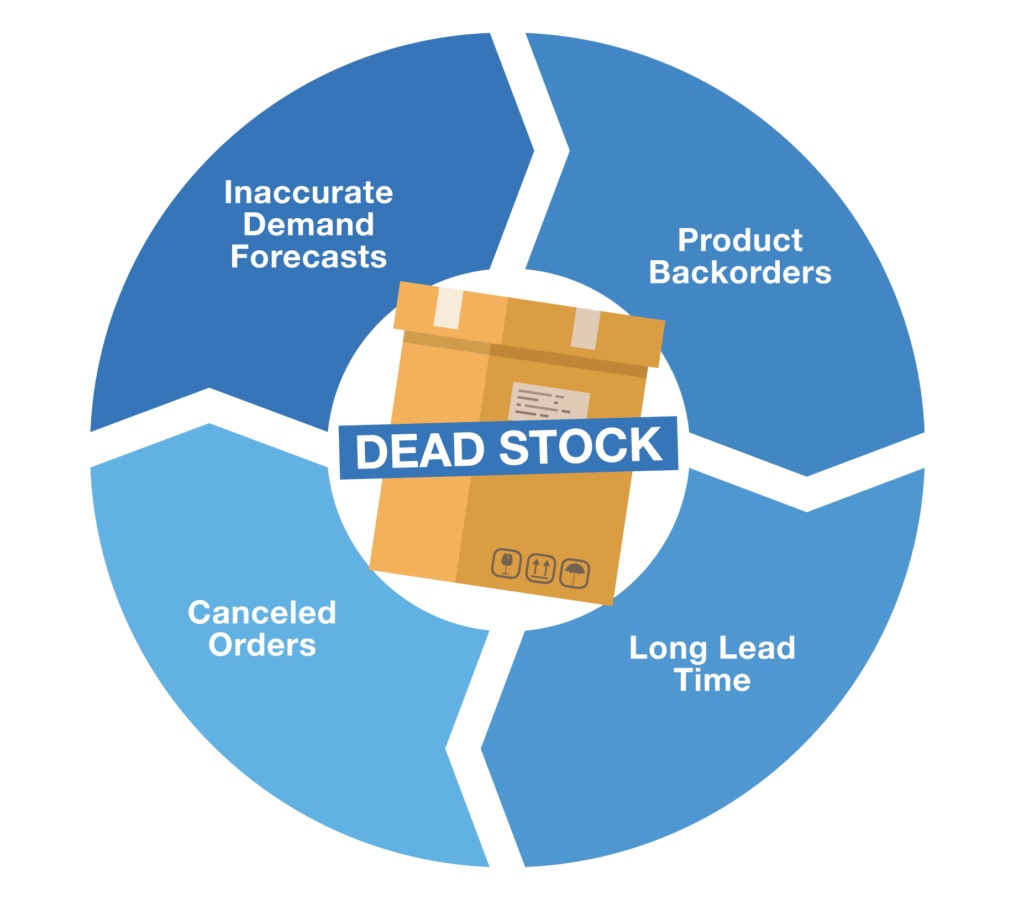
Retailers and manufacturers operate on fragile assumptions: past-season intuition, manual inventory checks, and ad-hoc supplier relationships. That leads to three core problems — overstocks (deadstock), unpredictable cashflow, and time lost to outreach and dispute resolution. Existing marketplaces generate leads but not certainty; legacy POS systems record sales but don’t prevent loss. In short: businesses need a way to anticipate demand, automate recovery, and ensure every rupee invested is protected.
What did
ZeroHold do
ZeroHold reimagined the retail stack as a single AI orchestration layer that enforces a no-loss commercial model. Key platform elements:
AI Demand Intelligence
Our machine learning models ingest POS data, marketplace trends, regional seasonality, and retailer reorder patterns to score SKUs for velocity, price sensitivity, and deadstock risk. This powers predictive reorder suggestions and production guidance for manufacturers.
Real-Time Inventory & POS Sync
Live two-way sync between POS, marketplace, and the dashboard prevents oversells and exposes aging SKUs early. The system automatically updates availability, reservations and replenishment triggers.
Automated Deadstock Lifecycle
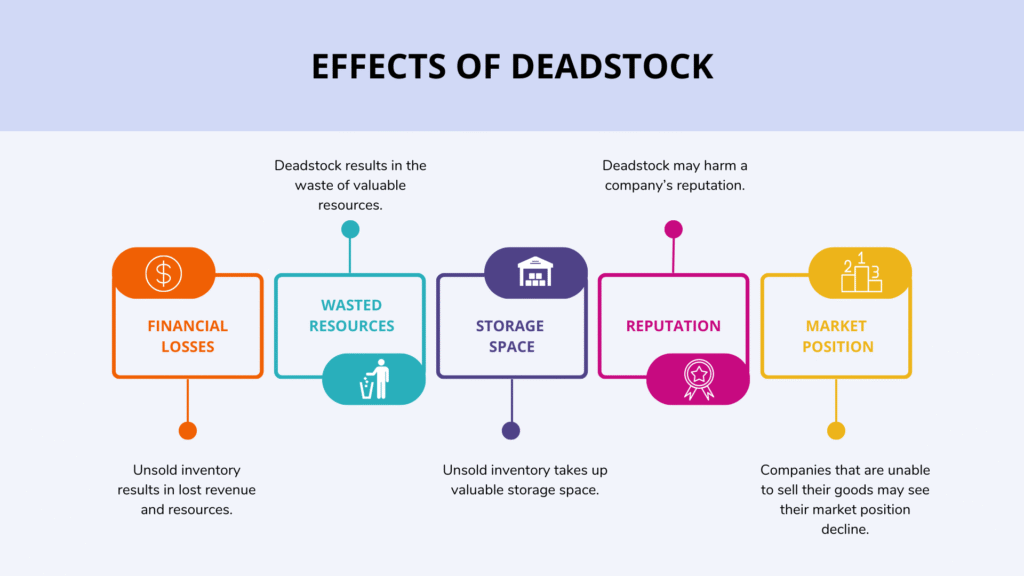
The platform continuously monitors SKU aging (30/60/90/180 days). When items hit configurable risk thresholds, ZeroHold auto-schedules pickups, runs QC, and either relists viable units or issues refunds/store credit — all without manual requests.
Buyer Reliability & Order Guardrails
Retailers are KYC-verified and scored via a Buyer Reliability Index (BRi). Orders from high BRi buyers bypass extra checks; lower BRi orders get additional validation. This reduces disputes and ensures manufacturers receive genuine POs.
Milestone & escrow-style Settlements
Payments are committed or escrowed when orders are placed. Payouts follow milestone proofs (dispatch/delivery), protecting manufacturer cashflow and assuring retailers of transparent service.
Smart Automation Workflows
Alerts, pickups, return processing, logistics consolidation and relisting are all automated. Human ops intervene only for exceptions; routine recovery is hands-free.
Feedback Loop to Manufacturers
Retailer feedback (fit, color, sizing, sell-through) is aggregated and delivered as SKU-level insights. Manufacturers get actionable signals to change assortments, adjust MOQs, or tweak pricing.
Together, these components convert noisy retail operations into a predictable, closed-loop commerce engine where risk is managed by the platform, not shouldered by small businesses.


The Results
- No-Loss Inventory Cycles — Unsold stock is recovered or monetized, converting potential write-offs into working capital.
- Faster Cash Conversion — Escrowed commitments and automated refunds accelerate cashflows and reduce receivables.
- Higher Fill & OTIF Rates — Verified orders and real-time inventory increase fulfillment accuracy and on-time delivery.
- Lower Operational Overhead — Automation removes manual follow-ups, reducing staff time spent on disputes and logistics.
- Data-Led Production — Manufacturers produce fewer risky SKUs and scale high-velocity items based on AI forecasts.