
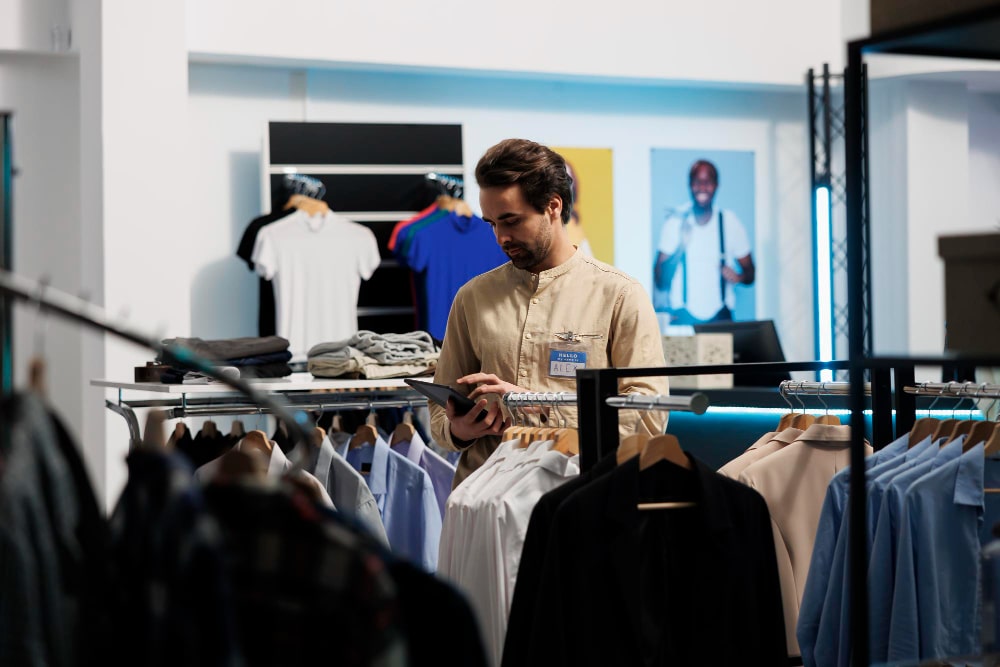
As India’s retail ecosystem evolves, small and mid-sized garment store owners continue to face one persistent problem — the risk of deadstock. Traditional wholesale models often force retailers to purchase large quantities upfront, locking their capital in inventory that may or may not sell. This has resulted in significant losses, particularly in the last few years as consumer demand has become unpredictable, experts and retailers told ET-style.
In response, many retailers are now turning towards technology-driven solutions like ZeroHold, which eliminates deadstock losses by offering a no-loss assurance model. By bridging the gap between manufacturers and retailers, ZeroHold enables store owners to stock products with confidence, knowing that unsold items can be returned without financial risk.
Shifting from bulk to smart stocking
Several retailers have already cut their upfront investment by 25%-40% after adopting ZeroHold’s system, allowing them to focus on growth rather than survival. Instead of filling storage rooms with slow-moving products, retailers can now experiment with trending categories, launch seasonal collections, and align better with real-time consumer demand.
This transition is not only beneficial for retailers but also for manufacturers. By joining the ZeroHold network, manufacturers gain direct access to thousands of verified retailers, expanding their reach without relying solely on traditional distributors. More importantly, the system provides valuable insights into what’s selling and what isn’t, helping manufacturers optimize production and reduce waste.

The future of retail supply chains
Analysts predict that India’s organized garment retail will nearly double by 2027, driven by a combination of rising consumer spending and digital adoption in tier-2 and tier-3 cities. Platforms like ZeroHold are expected to be at the center of this transformation by offering retailers a safety net and manufacturers a growth engine.
However, the shift requires more than just technology. Experts believe reskilling local retailers in digital sales, data-driven inventory planning, and smart merchandising will be critical to long-term success. With ZeroHold’s software-first approach, even small shops can now compete with larger chains.
“Even if we do not talk about premium fashion (specifically), the deadstock problem in general has been a huge roadblock for small retailers. We need more platforms like ZeroHold that protect businesses from loss while giving manufacturers wider distribution.”

Some leaders consider business and technology objectives interchangeable, allowing one to inform the other. Those that align their information technology systems with their overall business strategy have the best chances of achieving their short- and long-term objectives.