
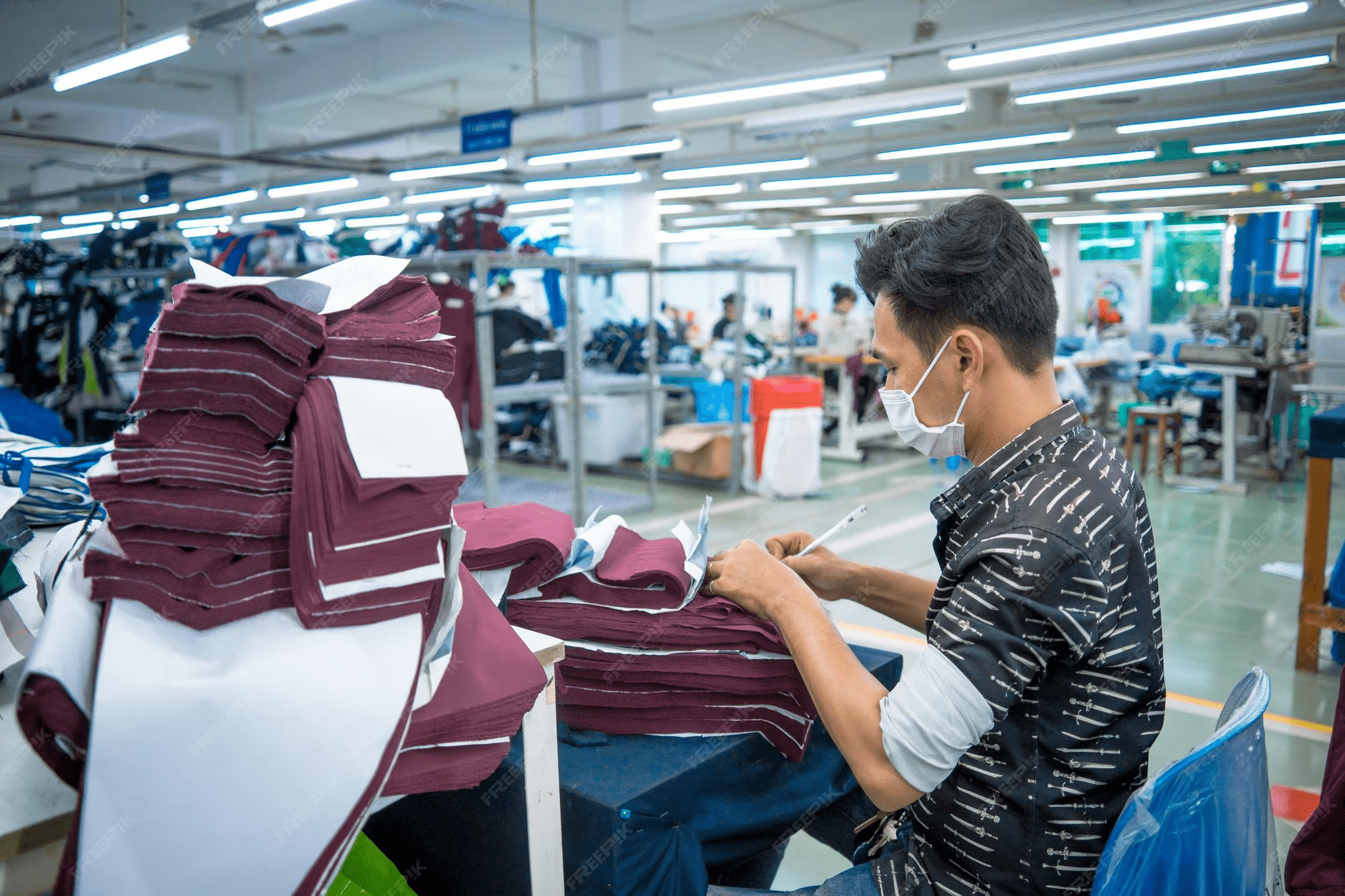
As competition intensifies in the Indian garment sector and consumer demand remains unpredictable, small retailers are increasingly struggling with one of the industry’s biggest challenges – deadstock. To survive, many store owners are searching for solutions that reduce risk and improve cash flow, founders and retail consultants told ET-style.
Several retailers have already cut their upfront inventory costs by 30%-40% by shifting towards tech-enabled platforms like ZeroHold, which connects them directly with manufacturers and provides a no-loss assurance model. Others, especially new entrants in tier-2 and tier-3 cities, have reduced their dependency on bulk buying altogether, opting instead for data-backed demand forecasting and on-demand procurement.
This changing landscape has also triggered a push from apparel manufacturers who see platforms like ZeroHold as a way to increase reach without overproducing. Many are now working with the company to ensure unsold products can be reabsorbed into the system, thus reducing wastage and improving supply chain sustainability.
Over the past months, industry insiders said several manufacturers have been approached by retailers to join ZeroHold’s network, citing its inventory protection guarantee and digital tools as major differentiators compared to traditional wholesale models.
In some instances, retailers are using the ZeroHold system to not only track sales and performance but also test new categories, ensuring they expand their offerings without risking capital loss.
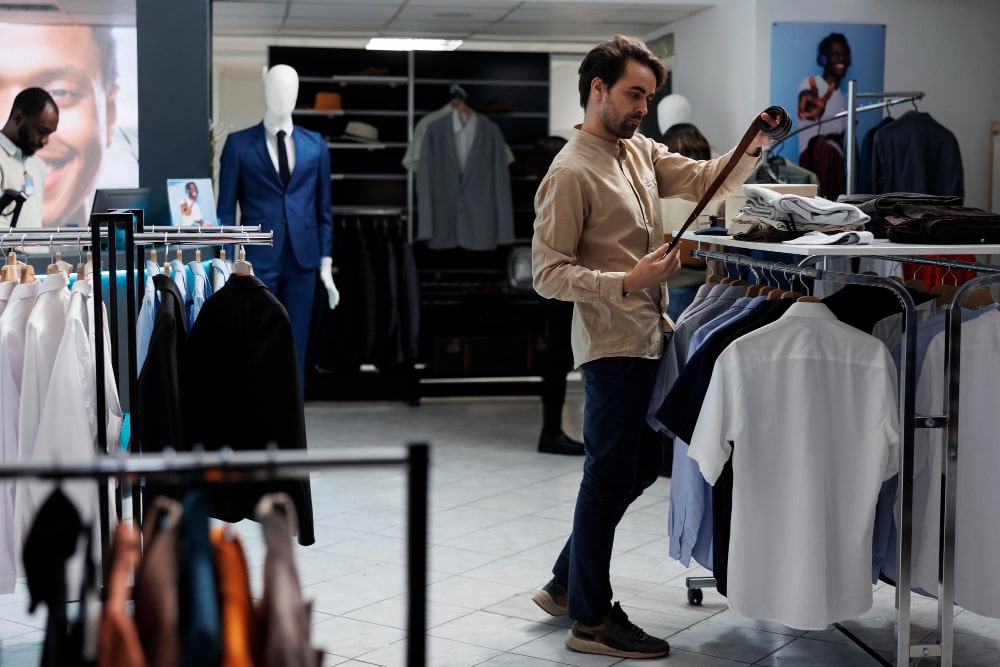
Retail ecosystem shift
Analysts project that India’s organized garment retail ecosystem will nearly double by 2027, driven by both rising consumer spending and the entry of technology-backed retail solutions. ZeroHold, which positions itself as a “double-engine” system empowering both manufacturers and retailers, is expected to play a significant role in this transition.
Experts also believe that reskilling local retailers in digital sales and data-driven inventory planning will be critical for future growth, as consumer demand patterns shift rapidly with online-offline integration.
However, the road ahead remains challenging for independent retailers who lack strong technology partners.
“Even if we do not talk about premium brands (specifically), the retail talent and systems in general are very fragmented at the moment. We need to get more (technology-enabled) retailers in the system.”


Regardless of which specific tools you utilize, having the right technology in place will allow your new business to get off on the right foot toward lasting success.